
Long MTB Pants: Enduro, Trail and Downhill

PEdALED
Pedaled Thermal Primaloft pants - Dark Grey
Regular price $220.24Unit price /UnavailableMXL
 Fox Defend Fire Pants - Deep Cobalt
 Fox Defend Fire Pants - Black
Regular price $184.38Unit price /Unavailable303234
 Fox Defend Fire Pants - Brown
Regular price $184.38Unit price /Unavailable3236
 Promo
Northwave
Northwave Bomb Winter pant - Black
Sale price $115.68 Regular price $163.93 -29%Unit price /UnavailableXXXL Promo
Endura
Endura MT500 Burner long pant - Black
Sale price $101.44 Regular price $133.15 -24%Unit price /UnavailableXL Promo
Q36.5
Sale price $230.49 Regular price $256.10 -10%Unit price /UnavailableMLXLXXXL

 Leatt MTB Gravity 3.0 pant - Brown
 Leatt MTB Gravity 3.0 pant - Blue
Regular price $69.29Unit price /UnavailableML
 Leatt MTB Gravity 3.0 pant - Black
Regular price $99.99Unit price /UnavailableSMLXL

 Ride Kit MTB Gravity 1.0 - Blue black
 Ride Kit MTB Gravity 1.0 - Black
Regular price $110.00Unit price /UnavailableXSMXL
 Ride Kit MTB Gravity 1.0 - Red black
Regular price $77.00Unit price /UnavailableMLXL
 Ride Kit MTB Gravity 1.0 - Szymon Godziek
Regular price $91.70Unit price /UnavailableML
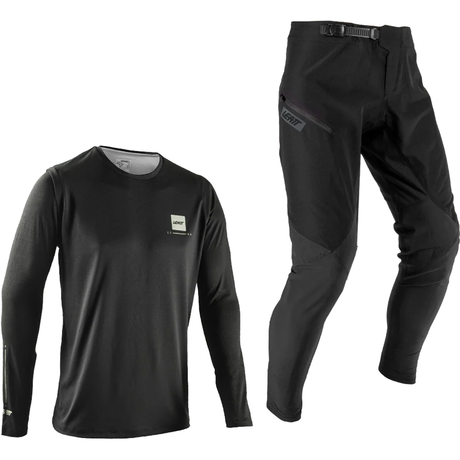 Ride Kit MTB Gravity 1.0 - Black
Ride Kit MTB Gravity 1.0 - Blue black
Regular price $77.00Unit price /UnavailableML
Ride Kit MTB Gravity 1.0 - Red black
Regular price $77.00Unit price /UnavailableMLXL
Ride Kit MTB Gravity 1.0 - Szymon Godziek
Regular price $91.70Unit price /UnavailableML
 Promo
 Fox Ranger Water long pant - Black
 Fox Ranger Water long pant - Brown
Regular price $122.94Unit price /Unavailable36
 Fox Ranger Water long pant - Green
Regular price $122.94Unit price /Unavailable3236
 Fox Ranger Lunar Pants Water SE - Black
Regular price $122.90Unit price /Unavailable30
Fox
Fox Ranger Water long pant - Black
Sale price $107.59 Regular price $122.94 -12%Unit price /Unavailable32 Promo
Scott
Scott Trail Storm Hybrid pants - Black
Sale price $111.68 Regular price $143.34 -22%Unit price /UnavailableMXL
 Fox Defend Fire Pants - Black
Fox Defend Fire Pants - Deep Cobalt
Regular price $184.38Unit price /Unavailable3032
Fox Defend Fire Pants - Brown
Regular price $184.38Unit price /Unavailable3236
 Promo
100percent
Sale price $91.19 Regular price $121.93 -25%Unit price /Unavailable3436 Promo
Shimano
Shimano Tormenta Pants - Black
Sale price $57.38 Regular price $204.86 -72%Unit price /Unavailable34 Promo
 Fox Defend long pant - Black
 Fox Defend long pant - Brown
Regular price $163.93Unit price /Unavailable32
 Fox Defend long pant - Green
Regular price $163.93Unit price /Unavailable34
Fox
Sale price $122.85 Regular price $163.93 -25%Unit price /Unavailable30
 Promo
Endura
Endura Hummvee Zip-off long pant - Black
Sale price $76.79 Regular price $102.41 -25%Unit price /UnavailableL Promo
 Rh+ Evolution Pants - Black lime
 Rh+ Evolution Pants - Green orange
Sale price $76.79 Regular price $153.59 -50%Unit price /UnavailableMXL
Zerorh
Rh+ Evolution Pants - Black lime
Sale price $76.79 Regular price $153.59 -50%Unit price /UnavailableMXL Promo
Endura
Endura Hummvee Transit Waterproof long pant - Black
Sale price $61.43 Regular price $81.91 -25%Unit price /UnavailableXLXXLXXXL
 Fox Flexair Fire long pant - Nut
 Fox Flexair Fire long pant - Black
Regular price $179.29Unit price /Unavailable323436
 Fox Flexair Fire long pant - Black
Fox Flexair Fire long pant - Nut
Regular price $179.29Unit price /Unavailable303234

 Endura AllTrack Rout pants - Storm
 Endura AllTrack Rout pants - Gravel
Regular price $128.03Unit price /UnavailableMLXL
 Endura AllTrack Rout pants - Black
Regular price $128.03Unit price /UnavailableMLXLXXL
 Endura AllTrack Rout pants - Gravel
Endura AllTrack Rout pants - Black
Regular price $128.03Unit price /UnavailableMLXLXXL
Endura AllTrack Rout pants - Storm
Regular price $128.03Unit price /UnavailableMLXL
 Endura AllTrack Rout pants - Black
Endura AllTrack Rout pants - Gravel
Regular price $128.03Unit price /UnavailableMLXL
Endura AllTrack Rout pants - Storm
Regular price $128.03Unit price /UnavailableMLXL

 Endura MT500 Burner 2 pants - Gravel
 Endura MT500 Burner 2 pants - Moss
Regular price $158.76Unit price /UnavailableML
 Endura MT500 Burner 2 pants - Black
Regular price $158.76Unit price /UnavailableMLXLXXL
 Endura MT500 Burner 2 pants - Moss
Endura MT500 Burner 2 pants - Gravel
Regular price $158.76Unit price /UnavailableMLXL
Endura MT500 Burner 2 pants - Black
Regular price $158.76Unit price /UnavailableMLXLXXL
 Endura MT500 Burner 2 pants - Black
Endura MT500 Burner 2 pants - Gravel
Regular price $158.76Unit price /UnavailableMLXL
Endura MT500 Burner 2 pants - Moss
Regular price $158.76Unit price /UnavailableML


 Endura MT500 Rout Insulated trousers - Black
 Endura MT500 Rout Insulated pants - Moss
Regular price $194.63Unit price /UnavailableLXL
Endura
Endura MT500 Rout Insulated trousers - Black
Regular price $194.63Unit price /UnavailableXXL
 Fox Flexair pant - Brown
 Fox Flexair Diffuse pant - White
Regular price $189.50Unit price /Unavailable30323436
 Fox Flexair Diffuse pant - Purple
Regular price $189.50Unit price /Unavailable30323436
 Fox Flexair pant - White
Regular price $169.00Unit price /Unavailable30323436
 Fox Flexair Pants - Brown
Regular price $143.39Unit price /Unavailable3234
 Fox Flexair pant - White
Regular price $169.00Unit price /Unavailable+3 +530323436
 Fox Flexair pant - White
Fox Flexair Diffuse pant - White
Regular price $189.50Unit price /Unavailable30323436
Fox Flexair Diffuse pant - Purple
Regular price $189.50Unit price /Unavailable30323436
Fox Flexair pant - White
Regular price $169.00Unit price /Unavailable30323436
Fox Flexair Pants - Brown
Regular price $143.39Unit price /Unavailable3234
Fox Flexair pant - Brown
Regular price $169.00Unit price /Unavailable+3 +5303234
 Fox Flexair pant - White
Fox Flexair Diffuse pant - White
Regular price $189.50Unit price /Unavailable30323436
Fox Flexair Diffuse pant - Purple
Regular price $189.50Unit price /Unavailable30323436
Fox Flexair Pants - Brown
Regular price $143.39Unit price /Unavailable3234
Fox Flexair pant - Brown
Regular price $169.00Unit price /Unavailable303234
Fox Flexair pant - White
Regular price $169.00Unit price /Unavailable+3 +530323436
 Fox Flexair Diffuse pant - Purple
Fox Flexair Diffuse pant - White
Regular price $189.50Unit price /Unavailable30323436
Fox Flexair pant - White
Regular price $169.00Unit price /Unavailable30323436
Fox Flexair Pants - Brown
Regular price $143.39Unit price /Unavailable3234
Fox Flexair pant - Brown
Regular price $169.00Unit price /Unavailable303234
Fox Flexair pant - White
Regular price $169.00Unit price /Unavailable+3 +530323436
 Fox Flexair Diffuse pant - White
Fox Flexair Diffuse pant - Purple
Regular price $189.50Unit price /Unavailable30323436
Fox Flexair pant - White
Regular price $169.00Unit price /Unavailable30323436
Fox Flexair Pants - Brown
Regular price $143.39Unit price /Unavailable3234
Fox Flexair pant - Brown
Regular price $169.00Unit price /Unavailable303234
Fox Flexair pant - White
Regular price $169.00Unit price /Unavailable+3 +530323436

 Fox Flexair Awareness pant - Multicolor
Fox Flexair Diffuse pant - White
Regular price $189.50Unit price /Unavailable30323436
Fox Flexair Diffuse pant - Purple
Regular price $189.50Unit price /Unavailable30323436
Fox Flexair pant - White
Regular price $169.00Unit price /Unavailable30323436
Fox Flexair Pants - Brown
Regular price $143.39Unit price /Unavailable3234
Fox Flexair pant - Brown
Regular price $169.00Unit price /Unavailable+4 +6303234

 Promo
Scott
Scott Tuned long mtb pants - Orange
Sale price $138.21 Regular price $153.59 -10%Unit price /UnavailableM
 Troy Lee Designs Sprint Ultra long pant - Light Blue
 Troy Lee Designs Sprint Ultra long pant - Black
Regular price $256.10Unit price /Unavailable32
Troy Lee Designs
Troy Lee Designs Sprint Ultra long pant - Light Blue
Regular price $256.10Unit price /Unavailable3234 Troy Lee Designs Sprint Ultra long pant - Black
Troy Lee Designs Sprint Ultra long pant - Light Blue
Regular price $256.10Unit price /Unavailable3234
Troy Lee Designs
Troy Lee Designs Sprint Ultra long pant - Black
Regular price $256.10Unit price /Unavailable32
 Troy Lee Designs Sprint Pro long pant - Brown
 Troy Lee Designs Sprint Pro long pant - Light Blue
Regular price $163.89Unit price /Unavailable3032
 Troy Lee Designs Sprint Pro long pant - Purple
Regular price $163.89Unit price /Unavailable303234
 Troy Lee Designs Sprint Pro long pant - Black
Regular price $163.89Unit price /Unavailable36
Troy Lee Designs
Troy Lee Designs Sprint Pro long pant - Brown
Regular price $163.89Unit price /Unavailable3032 Troy Lee Designs Sprint Pro long pant - Black
Troy Lee Designs Sprint Pro long pant - Light Blue
Regular price $163.89Unit price /Unavailable3032
Troy Lee Designs Sprint Pro long pant - Purple
Regular price $163.89Unit price /Unavailable303234
Troy Lee Designs Sprint Pro long pant - Brown
Regular price $163.89Unit price /Unavailable3032
Troy Lee Designs
Troy Lee Designs Sprint Pro long pant - Black
Regular price $163.89Unit price /Unavailable36
Troy Lee Designs
Troy Lee Designs Skyline Pro long pant - Black
Regular price $174.13Unit price /Unavailable303234 Troy Lee Designs Sprint Pro long pant - Light Blue
Troy Lee Designs Sprint Pro long pant - Purple
Regular price $163.89Unit price /Unavailable303234
Troy Lee Designs Sprint Pro long pant - Black
Regular price $163.89Unit price /Unavailable36
Troy Lee Designs Sprint Pro long pant - Brown
Regular price $163.89Unit price /Unavailable3032
Troy Lee Designs
Troy Lee Designs Sprint Pro long pant - Light Blue
Regular price $163.89Unit price /Unavailable3032 Leatt MTB Gravity 3.0 pant - Blue
Leatt MTB Gravity 3.0 pant - Black
Regular price $99.99Unit price /UnavailableSMLXL
Leatt MTB Gravity 3.0 pant - Brown
Regular price $69.29Unit price /UnavailableS
 Troy Lee Designs Sprint Pro long pant - Purple
Troy Lee Designs Sprint Pro long pant - Light Blue
Regular price $163.89Unit price /Unavailable3032
Troy Lee Designs Sprint Pro long pant - Black
Regular price $163.89Unit price /Unavailable36
Troy Lee Designs Sprint Pro long pant - Brown
Regular price $163.89Unit price /Unavailable3032
Troy Lee Designs
Troy Lee Designs Sprint Pro long pant - Purple
Regular price $163.89Unit price /Unavailable303234 Leatt MTB Gravity 3.0 pant - Black
Leatt MTB Gravity 3.0 pant - Blue
Regular price $69.29Unit price /UnavailableML
Leatt MTB Gravity 3.0 pant - Brown
Regular price $69.29Unit price /UnavailableS
 Promo
Dainese
Dainese HgAER long pant - Green
Sale price $92.16 Regular price $133.15 -31%Unit price /UnavailableM


